Preventative Genetic Testing in Australia
Genes act as your body’s instruction manuals. Small differences in these genetic instructions, known as mutations or variants, can influence your lifetime risk of certain cancers, heart conditions or medication responses. Preventative genetic testing helps identify inherited differences so you can better understand potential risks that may not be apparent through standard check-ups or routine testing alone.

Preventative Genetic Testing in Australia - Book Yours Today
What:
Preventative Genetic Health Test
Tests for:
Genetic variants linked to disease
Referral:
Add-on
Member cost:
$1,399
What is Genetic Testing?
Genetic testing is a laboratory analysis that looks for specific changes in your DNA that may influence your chance of developing certain health conditions. Many of these genetic variants are inherited and typically remain stable throughout life, which makes them useful for understanding long-term health predispositions.
Knowing about these variants earlier can help guide discussions with clinicians about appropriate screening, monitoring or lifestyle considerations. It allows people to approach their health from a more informed position, particularly when genetics play a meaningful role in risk.
Everlab uses a medical-grade saliva test that examines more than 180 genes linked to hereditary cancer syndromes, inherited cardiac conditions, pharmacogenomic differences and carrier status for certain genetic conditions. Once your results are ready, they are reviewed with you in a 30-minute telehealth appointment with a certified genetic counsellor who helps interpret the findings and explain how they may relate to your personal health context.
Who Should Have This Test?
You may consider adding this genetic test if any of the following apply to you.
1. Family History Indicators
A significant family history can be a strong clue that certain conditions may run in the family. Consider testing if:
- Multiple relatives have had cancer, especially if diagnosed before age 50
- Several family members have had the same or related cancers, for example multiple relatives with breast cancer
- There is a family history of early or unexplained heart disease or sudden cardiac death
- Family members have extremely high cholesterol despite a healthy lifestyle
- A specific genetic mutation is already known in your family
These patterns may suggest inherited risks that genetic testing can help clarify.
2. Personal Health Factors
You might also consider the test if you have:
- A previous cancer diagnosis before age 50
- Persistently high cholesterol despite diet and exercise
- A personal or family history of blood clots without a clear cause
- Plans for pregnancy and interest in understanding potential carrier risks
These factors may indicate that genetics could be contributing to your health profile.
3. Proactive Health Management
Some people choose preventative genetic testing even without a strong family history because they:
- Want to optimise health using personalised information
- Are preparing for major life events or decisions and want a fuller picture of their risk
- Feel they may be at higher risk based on ancestry or personal observations
- Value peace of mind and want to understand whether their genetics play a role in their long-term health
What Everlab’s Genetic Testing Actually Checks
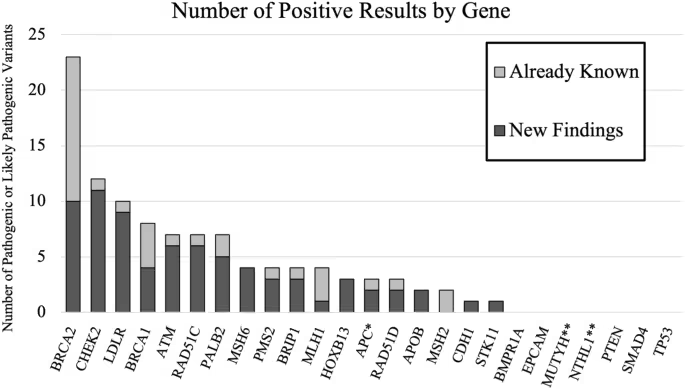
Everlab’s Preventative Health Genetic Test analyses more than 180 genes across four major categories. The results can help guide personalised conversations with your clinician, based on established guidelines and individual circumstances.
Cancer Risk (69 genes)
These genes are linked to inherited cancer syndromes that may increase the chance of developing breast, bowel, melanoma, prostate, ovarian or pancreatic cancer.
Common examples include: BRCA1, BRCA2, MLH1, MSH2, APC, CDKN2A
If a pathogenic variant is identified, your clinician may discuss screening considerations such as timing or frequency of mammograms, colonoscopies or skin checks when clinically appropriate.
Cardiac Risk (88 genes)
These genes relate to inherited heart conditions such as familial hypercholesterolaemia, cardiomyopathies, arrhythmia syndromes including long QT and Brugada, and aortic aneurysm predisposition.
Common genes include: LDLR, PCSK9, MYBPC3, KCNQ1, SCN5A
A positive result may lead your doctor to consider closer cardiac monitoring or referral to a cardiologist for specialist advice.
Pharmacogenomics
This section examines how your body processes certain medicines. Differences in drug-metabolising genes can influence how well some medications work or how likely side effects may be.
Examples include: CYP2D6, CYP2C19, CYP2C9, VKORC1
These results are intended to support discussions with your GP or specialist when considering medication options.
Carrier Status (28 genes)
Carrier testing shows whether you carry a gene variant that could be passed on to future children. It does not usually affect your own health.
Conditions screened include:
- Cystic fibrosis
- Spinal muscular atrophy
- Tay-Sachs disease
- Sickle cell disease
If you test positive as a carrier, partner testing and reproductive counselling may be discussed.
A Positive Result Is Not a Diagnosis
A positive result indicates an increased genetic predisposition rather than certainty. Many people with higher-risk genetic variants never develop disease, and some people develop disease without any known genetic markers. Your counsellor helps clarify what your result means in practical and clinical terms.
The Genetic Testing Process
The process is designed to be straightforward and supportive.
- Order the genetic test
Purchase the test online. Everlab arranges the kit and dispatches it to your address. - Kit arrives at your door
The kit includes a saliva tube, step-by-step instructions and a prepaid return envelope. - Prepare for your sample
Avoid eating, drinking, smoking or chewing gum for about 30 minutes beforehand. - Collect your saliva
Spit into the tube until it reaches the required fill line, then seal it as instructed. - Ship the sample back
Place the tube in the prepaid mailer and drop it at the designated post point. - Lab analysis
The laboratory analyses the genes included in your panel. Results are typically ready within 4 to 6 weeks. - Receive your report and expert consultation
Your written report is uploaded to the Everlab app. A certified genetic counsellor then reviews the results with you in a one-on-one telehealth session. - Personalised follow-up summary
You receive a written summary outlining suggested next steps to discuss with your doctor, including screening considerations, lifestyle factors or specialist review where appropriate.
Understanding Your Genetic Test Results
Your results will fall into one of three categories:
1. Positive (Pathogenic Variant)
A genetic change associated with increased risk has been identified. Your clinician may discuss tailored screening or monitoring options based on current guidelines.
2. Variant of Uncertain Significance (VUS)
A genetic change was detected, but there is not enough evidence to confirm whether it affects disease risk. These variants may be reclassified as scientific knowledge evolves.
3. Negative (No Pathogenic Variants Found)
No pathogenic variants were detected in the genes tested. This does not rule out all inherited risks, but it can be reassuring, particularly when assessing a known family variant.
You will receive a printed summary, and the full report remains securely available in your Everlab dashboard.
Genetic Testing: What to Expect After
If your results show increased genetic risk, the Everlab care team can help coordinate additional assessments when appropriate and under clinical guidance. These may include:
CTCA (Heart Scan)
For individuals with higher genetic risk of heart disease, a CT coronary angiogram can provide detailed imaging of the coronary arteries to support further discussions with a doctor.
Whole-Body MRI
When genetic findings suggest increased cancer risk, a whole-body MRI may be considered to look for abnormalities that require medical review. It does not diagnose cancer on its own and is used alongside other clinical assessments.
Advanced Blood Tests
Additional blood tests may explore inflammation, metabolic health or hormone balance to provide further context to genetic risk.
DEXA Scan
Thismeasures bone density and body composition, including visceral fat, which can contribute to overall health risk.
Lifestyle Guidance
Based on genetic findings and follow-up results, Everlab provides general health guidance that you can discuss with your healthcare practitioner.
These tools help build a broader understanding of health risk and do not replace clinical diagnosis or medical advice.
Limitations to Keep in Mind
Managing Your Genetic Risk
Regardless of your results, evidence-based lifestyle factors play an important role in long-term health:
- Avoid smoking
- Limit alcohol
- Maintain a healthy weight
- Stay physically active
- Protect your skin from excessive sun exposure
- Keep vaccinations up to date
These foundational habits benefit everyone, regardless of genetic background.
Risks of Genetic Testing
The saliva collection process carries minimal physical risk. However, genetic information can raise emotional, social or financial considerations. Your Everlab doctor will discuss these with you before testing so you can make an informed decision.
How Much Do Genetic Tests Cost?
Genetic testing through Everlab is offered as an add-on to the Everlab program for a one-off fee of $1,399. It is not available as a standalone service.
Conclusion
Preventative genetic testing can offer insight into inherited health risks and support informed conversations with healthcare professionals about screening and monitoring. When used alongside clinical advice and routine medical care, it can contribute to a more personalised and proactive approach to long-term wellbeing.
Sources
- National Cancer Institute- Cancer Genetics Risk Assessment and Counseling
- RACGP – Pharmacogenomics Consumer Guide
Why is preventative genetic testing important?
Preventative genetic testing helps identify inherited health risks that may not be obvious through routine check-ups or standard blood tests. Understanding these risks early can support informed conversations with your doctor about appropriate screening, monitoring and lifestyle choices.
Additional FAQs
%402x%20(2).svg)


imaging
biomarkers
sterols
Book a Free Discovery Call
Join 20,000+ Australians improving their health with proactive, personalised healthcare.